
Generalized Anxiety Disorder
Generalised Anxiety Disorder (GAD) & Worry: GAD is an anxiety disorder characterised by excessive and persistent worry across a range of domains. Excessive worry means worrying even when there is nothing wrong, or in a manner that is disproportionate to actual risk. This typically involves spending a high percentage of waking hours worrying about something. The worry may be accompanied by reassurance-seeking from others.
In other words, GAD is characterised by worries that can be difficult to ‘switch off’. For example, someone with Generalised Anxiety Disorder might worry excessively about performance at work (or school), something bad happening to loved ones, not being able to meet financial commitments, or health issues. Worries are usually future-oriented and are about events that are relatively unlikely to occur. Although people with GAD can usually recognise that their worries may be irrational, when anxiety takes over, it makes it seem as though future catastrophes are likely, if not certain.
People with GAD may experience:
- Excessive worry about multiple issues that are interfering with daily life
- Edginess or restlessness
- Excessive sweating
- Tiring easily; feeling more fatigued than usual
- Impaired concentration or feeling as though the mind goes blank
- Irritability (which may or may not be observable to others)
- Increased muscle tension, aches or soreness
- Difficulty falling or staying asleep, or restless and unsatisfying sleep
- Nightmares
- Problems with stomach upset such as nausea or chronic diarrhoea
Unfortunately, people with GAD believe that ‘worrying is what keeps bad things from happening’. As I discuss in detail in this self help-article, when people literally believe everything that their mind’s think (thoughts, imagery, predictions), they can get pushed around by whatever worries they are having. This triggers the brain’s threat and drive systems which gives a sense of ‘legitimacy’ to their worrying and so the GAD continues. Thus, GAD does not typically resolve on its own. And, because the worries of sufferers of GAD seem rational, it is usually not until a person is so overwhelmed by how stuck their lives have become that they seek treatment.
The good news is that effective treatments for GAD exist and include: Cognitive Behaviour Therapy (CBT), Compassion Focused Therapy (CFT); Acceptance & Commitment therapy (ACT), Exposure Therapy (ERP); and Schema Therapy. To read more about these therapies, click here.
Other Anxiety Disorders:
- Intense excessive worry about social situations (Social Anxiety Disorder)
- Obsessive thoughts and repetitive behaviours that you can’t seem to control (Obsessive Compulsive Disorder)
- Panic attacks (Panic Disorder)
- Upsetting memories and agitation or numbness following a traumatic event that interferes with ability to function in life (Post Traumatic Stress Disorder).
Resources
- Read more about Anxiety here
- Understand your Window of Tolerance
- Learn to deal with Negative Thinking
- What is Mindfulness?
- Calm yourself with this powerful breathing technique
- Learn about your Brain’s 3 Emotion Regulation Systems
- Understanding the Physiology of Self-Criticism
- Access further free self-help resources here

Exposure Therapy: Overcoming Anxiety, Fear & Discomfort
Exposure Therapy is a well-established psychological treatment with decades of success that has helped countless people regain confidence and control over their lives. This step-by-step guide will walk you through the basics of Exposure Therapy including how to incorporate complimentary skills to enhance its effectiveness.

The Science of Behaviour Change: Understand & Break Patterns
Struggling with repetitive behaviors like avoidance, self-criticism, or anxiety? Learn how to break free by understanding the underlying patterns. Discover practical strategies to intervene effectively and build healthier habits, here.

How to Get the Most Out of Therapy
Are you new to therapy? Working with a psychologist is very different to visiting a doctor. Learn about what to expect and how you can get the most out your therapy experience, here.

Blue Light, Melatonin, & Cognitive Stimulation: Why Technology Disrupts Sleep
Overview: Quality sleep is essential for mental health and overall wellbeing, supporting emotional regulation, cognitive function, and the body’s physical recovery processes. This article explains how evening exposure to screens and cognitive stimulation can disrupt melatonin production and sleep quality, and provides practical strategies to improve sleep hygiene and wind down effectively. Blue Light, Melatonin, […]

Can AI Chatbots Harm Your Mental Health? What the Research Says
While AI may seem like a convenient source of support, it has important limitations and carries risks—especially when it comes to emotional wellbeing. If you’re struggling or in distress, the safest and most effective step is to seek help from a trained professional who offers personalised care and genuine human connection.
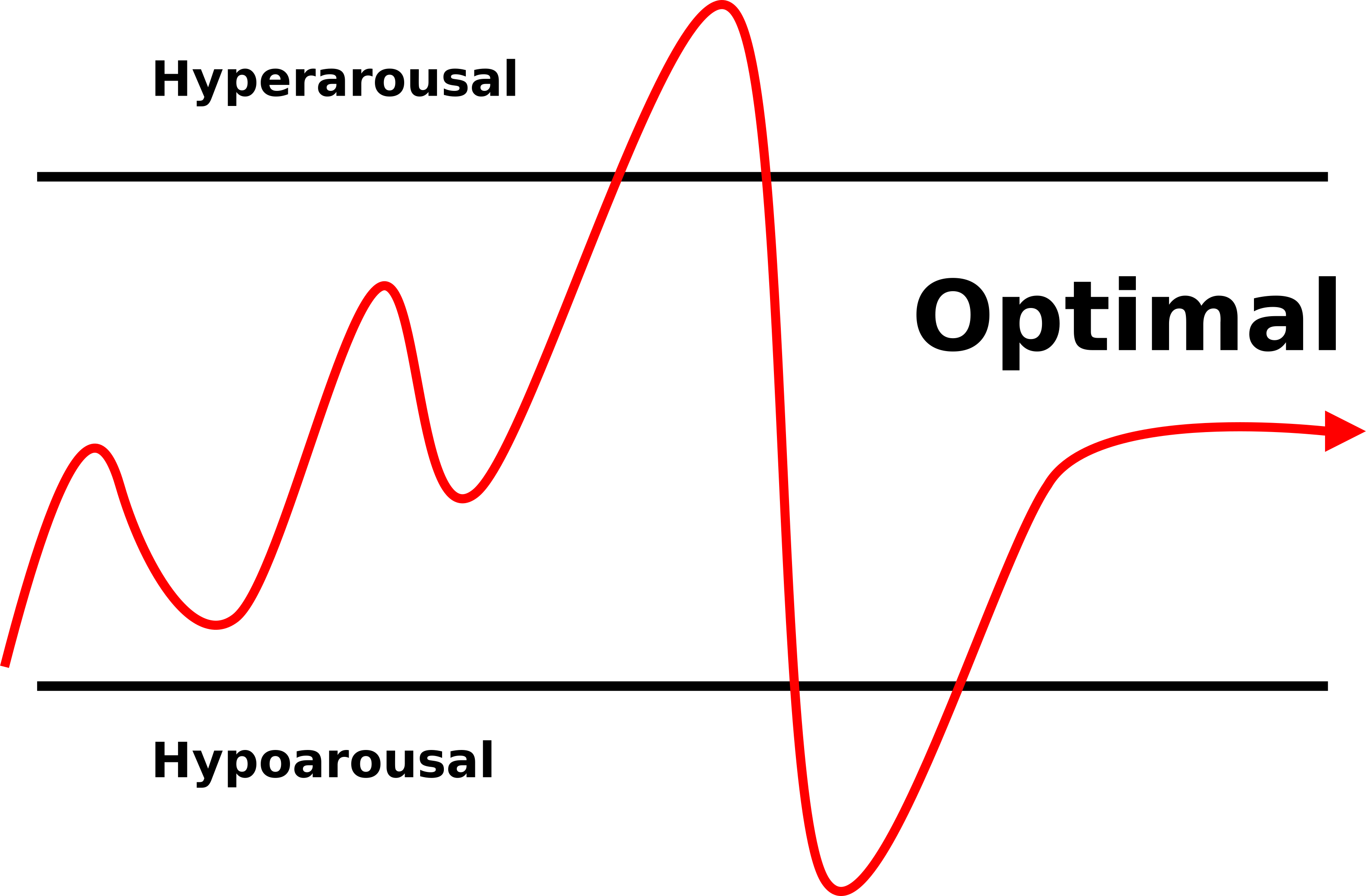
Understanding Your Window of Tolerance
Your Window of Tolerance is the zone of arousal in which you are able to function most effectively. The size of your Window of Tolerance depends on how much you can tolerate mild fluctuations in mood, energy levels, and the challenges and demands of life, whilst remaining in the Optimal Zone. Lean to work with your Window of Tolerance, here.

How EMDR Therapy Can Help Relieve Trauma-Related Distress
EMDR Therapy is an evidence-based approach that helps reprocess past distressing memories and supports relief from intrusive thoughts, nightmares, and unhelpful self-beliefs. Developed over 30 years ago to treat trauma, it is now used whenever memories cause significant physical or psychological distress

How Our Early Attachment Experiences Affect Us: Relationships, Growth & Healing
Attachment-related emotional learning that occurs in the first 15 years of life can either serve as a protective factor against life’s challenges or can lead to difficulties in emotion regulation, relationships, & mental health vulnerabilities carried into adulthood. Discover how your attachment experiences have shaped you and how you can begin to heal from the wounds of your past.

Your Brain’s 3 Emotion Regulation Systems
The majority of mental health problems relate to an imbalance of 3 very important systems. From anxieties about the future, or shame and rumination about the past; to attacking one’s self for our failures with harsh self-criticism. There is no peace when being driven by Threat! Learn how to soothe your Threat system so that you can comfort, soothe & support yourself.
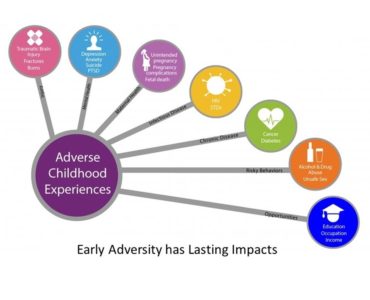
Adverse Childhood Experiences (ACEs)
Toxic stress from ACEs can change the brain, effectively narrowing our Window of Tolerance and making us susceptible to chronic mental health and medical conditions. Effects of toxic stress can be passed on intergenerationally, but can also be significantly lessened by protective factors. Learn about ACEs and what you can do to help yourself, here.

Your Brain’s Threat System
Your threat system is designed to protect you from danger. It is about SURVIVAL! However, excessive threat can overwhelm us and can spiral into hopelessness & self-criticism. Learn about how to manage your threat system here.

Negative Thinking – What your poor brain doesn’t know…
When we are on ‘autopilot’ we are often unaware that our mind’s focus can be threatening and that this is contributing to psychological distress. Conversely, the information from our 5 senses is generally an untapped haven of calm, soothing, stillness and peace – Learn how you can use this knowledge to your advantage to free yourself from overthinking.

Soothing Rhythm Breathing
Many clients report that this breathing technique is one of the most helpful emotion-regulation skills that they learn in therapy. Learn to quickly deactivate your ‘fight/flight’ response & activate your soothing system with this powerful breathing technique.

Choosing What Truly Matters, Even When It’s Hard
Are you stuck making the same choices over and over, even though this is not helping you move towards what you want in life? Learn practical ways to decide what is most important to you and how to keep yourself on track, here.

What is Mindfulness ?
Mindfulness can increase self-awareness, can help you self-regulate & can help you choose how best to respond to challenging situations. But Mindfulness is hugely misrepresented and many false claims abound. Although mindful awareness is essential, Mindfulness alone is not enough. Learn what Mindfulness is, how to make use of it, and what else you need in order to make positive changes, here…
Common Obstacles in Learning Mindfulness
People encounter common obstacles when trying to learn Mindfulness. You can save yourself time, effort & frustration by understanding and planning for these difficulties. Enjoy the maximal benefits of Mindfulness with least amount of effort, here.
Guided Mindfulness Audio Exercises
Access guided Mindfulness exercises here. Increase your awareness, improve your resilience. Learn how to respond (vs react). Cultivate inner-peace, now.

Mindfulness & Your DNA
People who engage in a regular mindfulness practice are more likely to process (than avoid) their emotions, and report less stress and increased happiness. The benefits of regular mindfulness practice can now be measured at the DNA level. Take a closer look here.

The Physiology of Self-Criticism
Self-criticism activates the threat system and is a common problem across all mental health difficulties. Learn about the powerful effects of self-criticism on your emotions, your brain, and your physiology. Also learn about your most powerful antidote: Self-compassion.

Understanding Your ‘Inner-Critic’
‘Self-talk’ is great when it helps us – but self-criticism can be painful and destructive! If you speak to yourself in judgmental, shaming, self-critical, or hurtful ways – this is likely the voice of your ‘inner-critic’. Learn helpful ways of responding to your ‘inner-critic’ here…

Compassion – A brief overview
Compassion is one of the most beneficial things from psychological science that you can learn – but unfortunately it is also poorly misunderstood. Compassion does NOT mean ‘being nice’ or ‘having empathy’ – This article will discuss what compassion is and how it can help you reduce your suffering.

The Benefits of Self-Compassion
Self-compassion is one of most helpful (but most difficult) of all psychological skills. Self-compassion can help you work with difficult feelings such as anger and intense shame or harsh self-criticism, and unlike your inner-critic, self-compassion can help you soothe and nurture yourself when you are at your most distressed. However, often due to our upbringing and due to commonly held myths around it – self-compassion is typically misunderstood, feared, avoided or blocked. Learn what self-compassion is, how it gets blocked, & how you can help yourself, here.

Fears, Blocks & Resistances to Compassion
Compassion requires awareness, immense courage and specific skills. However, often due to our emotional learning, many of us react with fears, blocks & resistances. Learn about why this is, and how you can allow more of this light in.

How to Get a Better Night’s Sleep
Having trouble sleeping? Poor sleep increases irritability, reduces concentration & can negatively affect our mood. Use the following tips to improve your sleep today!

Heart Rate Variability & Mental Health
Heart Rate Variability (HRV) is a measure of your ability to handle psychological stress. Low HRV is related to negative emotions such as anger, depression, anxiety, rumination, and self-criticism. Learn about HRV and how you can easily improve it and increase your ability to handle stress and difficult emotions, here.

The Mental Health Benefits of Nature
Nature is good for our mental and physical health. Exposure to Nature can have powerful restorative effects that promote recovery from physiological and psychological stress. Discover ways you can immerse yourself in nature, and cultivate a state of mind that is most receptive to its benefits.
How to Get the Most Out of Therapy
Are you new to therapy? Working with a psychologist is very different to visiting a doctor. Learn about what to expect and how you can get the most out your therapy experience, here.
Blue Light, Melatonin, & Cognitive Stimulation: Why Technology Disrupts Sleep
Overview: Quality sleep is essential for mental health and overall wellbeing, supporting emotional regulation, cognitive function, and the body’s physical recovery processes. This article explains how evening exposure to screens and cognitive stimulation can disrupt melatonin production and sleep quality, and provides practical strategies to improve sleep hygiene and wind down effectively. Blue Light, Melatonin, […]
The Science of Behaviour Change: Understand & Break Patterns
Struggling with repetitive behaviors like avoidance, self-criticism, or anxiety? Learn how to break free by understanding the underlying patterns. Discover practical strategies to intervene effectively and build healthier habits, here.
Can AI Chatbots Harm Your Mental Health? What the Research Says
While AI may seem like a convenient source of support, it has important limitations and carries risks—especially when it comes to emotional wellbeing. If you’re struggling or in distress, the safest and most effective step is to seek help from a trained professional who offers personalised care and genuine human connection.
Exposure Therapy: Overcoming Anxiety, Fear & Discomfort
Exposure Therapy is a well-established psychological treatment with decades of success that has helped countless people regain confidence and control over their lives. This step-by-step guide will walk you through the basics of Exposure Therapy including how to incorporate complimentary skills to enhance its effectiveness.
Understanding Your Window of Tolerance
Your Window of Tolerance is the zone of arousal in which you are able to function most effectively. The size of your Window of Tolerance depends on how much you can tolerate mild fluctuations in mood, energy levels, and the challenges and demands of life, whilst remaining in the Optimal Zone. Lean to work with your Window of Tolerance, here.
How EMDR Therapy Can Help Relieve Trauma-Related Distress
EMDR Therapy is an evidence-based approach that helps reprocess past distressing memories and supports relief from intrusive thoughts, nightmares, and unhelpful self-beliefs. Developed over 30 years ago to treat trauma, it is now used whenever memories cause significant physical or psychological distress
How Our Early Attachment Experiences Affect Us: Relationships, Growth & Healing
Attachment-related emotional learning that occurs in the first 15 years of life can either serve as a protective factor against life’s challenges or can lead to difficulties in emotion regulation, relationships, & mental health vulnerabilities carried into adulthood. Discover how your attachment experiences have shaped you and how you can begin to heal from the wounds of your past.
Your Brain’s 3 Emotion Regulation Systems
The majority of mental health problems relate to an imbalance of 3 very important systems. From anxieties about the future, or shame and rumination about the past; to attacking one’s self for our failures with harsh self-criticism. There is no peace when being driven by Threat! Learn how to soothe your Threat system so that you can comfort, soothe & support yourself.
Adverse Childhood Experiences (ACEs)
Toxic stress from ACEs can change the brain, effectively narrowing our Window of Tolerance and making us susceptible to chronic mental health and medical conditions. Effects of toxic stress can be passed on intergenerationally, but can also be significantly lessened by protective factors. Learn about ACEs and what you can do to help yourself, here.
Your Brain’s Threat System
Your threat system is designed to protect you from danger. It is about SURVIVAL! However, excessive threat can overwhelm us and can spiral into hopelessness & self-criticism. Learn about how to manage your threat system here.
Negative Thinking – What your poor brain doesn’t know…
When we are on ‘autopilot’ we are often unaware that our mind’s focus can be threatening and that this is contributing to psychological distress. Conversely, the information from our 5 senses is generally an untapped haven of calm, soothing, stillness and peace – Learn how you can use this knowledge to your advantage to free yourself from overthinking.
Soothing Rhythm Breathing
Many clients report that this breathing technique is one of the most helpful emotion-regulation skills that they learn in therapy. Learn to quickly deactivate your ‘fight/flight’ response & activate your soothing system with this powerful breathing technique.
Choosing What Truly Matters, Even When It’s Hard
Are you stuck making the same choices over and over, even though this is not helping you move towards what you want in life? Learn practical ways to decide what is most important to you and how to keep yourself on track, here.
What is Mindfulness ?
Mindfulness can increase self-awareness, can help you self-regulate & can help you choose how best to respond to challenging situations. But Mindfulness is hugely misrepresented and many false claims abound. Although mindful awareness is essential, Mindfulness alone is not enough. Learn what Mindfulness is, how to make use of it, and what else you need in order to make positive changes, here…
Common Obstacles in Learning Mindfulness
People encounter common obstacles when trying to learn Mindfulness. You can save yourself time, effort & frustration by understanding and planning for these difficulties. Enjoy the maximal benefits of Mindfulness with least amount of effort, here.
Guided Mindfulness Audio Exercises
Access guided Mindfulness exercises here. Increase your awareness, improve your resilience. Learn how to respond (vs react). Cultivate inner-peace, now.
Mindfulness & Your DNA
People who engage in a regular mindfulness practice are more likely to process (than avoid) their emotions, and report less stress and increased happiness. The benefits of regular mindfulness practice can now be measured at the DNA level. Take a closer look here.
The Physiology of Self-Criticism
Self-criticism activates the threat system and is a common problem across all mental health difficulties. Learn about the powerful effects of self-criticism on your emotions, your brain, and your physiology. Also learn about your most powerful antidote: Self-compassion.
Understanding Your ‘Inner-Critic’
‘Self-talk’ is great when it helps us – but self-criticism can be painful and destructive! If you speak to yourself in judgmental, shaming, self-critical, or hurtful ways – this is likely the voice of your ‘inner-critic’. Learn helpful ways of responding to your ‘inner-critic’ here…
Compassion – A brief overview
Compassion is one of the most beneficial things from psychological science that you can learn – but unfortunately it is also poorly misunderstood. Compassion does NOT mean ‘being nice’ or ‘having empathy’ – This article will discuss what compassion is and how it can help you reduce your suffering.
The Benefits of Self-Compassion
Self-compassion is one of most helpful (but most difficult) of all psychological skills. Self-compassion can help you work with difficult feelings such as anger and intense shame or harsh self-criticism, and unlike your inner-critic, self-compassion can help you soothe and nurture yourself when you are at your most distressed. However, often due to our upbringing and due to commonly held myths around it – self-compassion is typically misunderstood, feared, avoided or blocked. Learn what self-compassion is, how it gets blocked, & how you can help yourself, here.
Fears, Blocks & Resistances to Compassion
Compassion requires awareness, immense courage and specific skills. However, often due to our emotional learning, many of us react with fears, blocks & resistances. Learn about why this is, and how you can allow more of this light in.
How to Get a Better Night’s Sleep
Having trouble sleeping? Poor sleep increases irritability, reduces concentration & can negatively affect our mood. Use the following tips to improve your sleep today!
Heart Rate Variability & Mental Health
Heart Rate Variability (HRV) is a measure of your ability to handle psychological stress. Low HRV is related to negative emotions such as anger, depression, anxiety, rumination, and self-criticism. Learn about HRV and how you can easily improve it and increase your ability to handle stress and difficult emotions, here.
The Mental Health Benefits of Nature
Nature is good for our mental and physical health. Exposure to Nature can have powerful restorative effects that promote recovery from physiological and psychological stress. Discover ways you can immerse yourself in nature, and cultivate a state of mind that is most receptive to its benefits.
Dr Andreas Comninos
PhD Clinical Psychologist
EMDRAA Accredited Practitioner | Psychology Board Approved Supervisor
Hello, I’m Dr. Andreas Comninos, a PhD Clinical Psychologist with over 15 years’ of experience supporting people through meaningful psychological change. My goal is to provide a safe, respectful space where we can work collaboratively, setting clear goals and exploring your experiences in depth.
Drawing on the latest evidence-based approaches, I integrate mind-body practices to help address complex emotions and unhelpful patterns.
My PhD research, completed at the University of Wollongong (2008), explored how attachment styles influence not just how quickly—but how fully—we recover in therapy. These insights continue to guide the way I work, across all therapeutic approaches and interventions. You can learn more about this research here.
In our sessions, I aim to help you feel seen, safe, and understood; core elements of secure attachment. We’ll tailor interventions to your needs and goals, and work together to strengthen your relationship with yourself and others, fostering resilience and lasting change.
Medicare rebates are available Australia-wide for up to 10 sessions per calendar year with a GP referral and Mental Health Care Plan. Rebates also apply for Private Health, NDIS, and DVA Gold Card holders.
To book an appointment please reach out using the contact details below. You’re welcome to share your goals or what you’d like support with—I look forward to hearing from you.
If you’re not quite ready to start therapy, I invite you to explore the self-help articles I’ve written, designed to offer practical support and insights you can use right away.

Dr Andreas Comninos
B.Psych (Hons), PhD (Clin Psych), MAPS
- PhD Clinical Psychologist
- EMDR Therapist | EMDRAA Accredited Practitioner
- Psychology Board Approved Supervisor
Dr Andreas Comninos
B.Psych (Hons), PhD (ClinPsych), MAPS
- PhD Clinical Psychologist
- EMDR Therapist | EMDRAA Accredited Practitioner
- Psychology Board Approved Supervisor
- 15+ years experience
About Andreas
Hello, I’m Dr. Andreas Comninos, a PhD Clinical Psychologist with over 15 years’ of experience supporting people through meaningful psychological change. My goal is to provide a safe, respectful space where we can work collaboratively, setting clear goals and exploring your experiences in depth.
Drawing on the latest evidence-based approaches, I integrate mind-body practices to help address complex emotions and unhelpful patterns.
My PhD research, completed at the University of Wollongong (2008), explored how attachment styles influence not just how quickly—but how fully—we recover in therapy. These insights continue to guide the way I work, across all therapeutic approaches and interventions. You can learn more about this research here.
In our sessions, I aim to help you feel seen, safe, and understood; core elements of secure attachment. We’ll tailor interventions to your needs and goals, and work together to strengthen your relationship with yourself and others, fostering resilience and lasting change.
Medicare rebates are available Australia-wide for up to 10 sessions per calendar year with a GP referral and Mental Health Care Plan. Rebates also apply for Private Health, NDIS, and DVA Gold Card holders.
To book an appointment please reach out using the contact details below. You’re welcome to share your goals or what you’d like support with—I look forward to hearing from you.
If you’re not quite ready to start therapy, I invite you to explore the self-help articles I’ve written, designed to offer practical support and insights you can use right away.
Get in Touch.