
Understanding Social Anxiety
Social Anxiety is one of the most common anxiety disorders, and it can affect people in many different ways. At its core, social anxiety is driven by a fear of being judged, scrutinized, or evaluated negatively by others. This fear can show up in subtle ways—like feeling mildly awkward in everyday interactions—or more intensely, such as a persistent sense of being under a spotlight, as if on stage during a performance.
For some, this anxiety leads to a hyper-focus on the Self—worrying about how they look, sound, or come across. For others, the focus shifts externally, scanning people’s facial expressions or reactions for signs of judgment or rejection. This constant threat-monitoring makes it very difficult to relax, stay present, or genuinely connect with others.
Understandably, this internal preoccupation can lead to a ‘self-fulfilling prophecy’: we may appear distracted, withdrawn, or hesitant—not because we don’t care, but because we’re anxiously monitoring ourselves and others. This, in turn, can unintentionally reinforce our fears of not fitting in or being judged.
Over time, social anxiety can leave people feeling ashamed, inadequate, inferior, or even humiliated. It may also contribute to low mood or depression, particularly if social situations are avoided altogether. In some cases, when anxiety becomes overwhelming, it can even trigger panic attacks.
People with social anxiety commonly report feeling anxious, nervous, or uncomfortable in a range of social settings. Sometimes this results in avoidance—choosing not to attend events or engage with others—which unfortunately increases feelings of isolation and can negatively affect confidence, relationships, and overall wellbeing.
Common situations people with Social Anxiety may find difficult include:
- Being in groups of people
- Meeting new people
- Making small talk or casual conversation
- Being teased or criticised
- Being the centre of attention
- Being watched while doing something (e.g., public speaking or eating)
- Performing music or speaking in public (performance-only Social Anxiety)
- Interacting with people in positions of authority
- Speaking in a group or going around a circle to introduce themselves
- Attending social events or parties
- Dating or initiating romantic interactions
- Making phone calls (especially in front of others)
- Asking for help or clarification (e.g., in a classroom or meeting)
- Returning items in a store or making complaints
- Entering a room where others are already seated
- Eating or drinking in public
- Using public restrooms (sometimes called “shy bladder” or paruresis)
Social Anxiety rarely goes away on its own, but the good news is that it responds well to treatment. Evidence-based therapies like CBT are highly effective. Support doesn’t mean getting rid of anxiety completely—it’s about learning to manage it in ways that are empowering and sustainable.
Other Anxiety Disorders:
-
Persistent or excessive worries (Generalized Anxiety Disorder)
-
Obsessive thoughts or repetitive behaviours that you can’t seem to control (Obsessive Compulsive Disorder)
-
Panic attacks (Panic Disorder)
-
An intense, excessive fear of animals, activities, places or situations (Phobias)
-
Upsetting memories (flashbacks), anxious or depressive rumination, or numbness following a traumatic event that interferes with ability to function in life (Post Traumatic Stress Disorder).
Resources
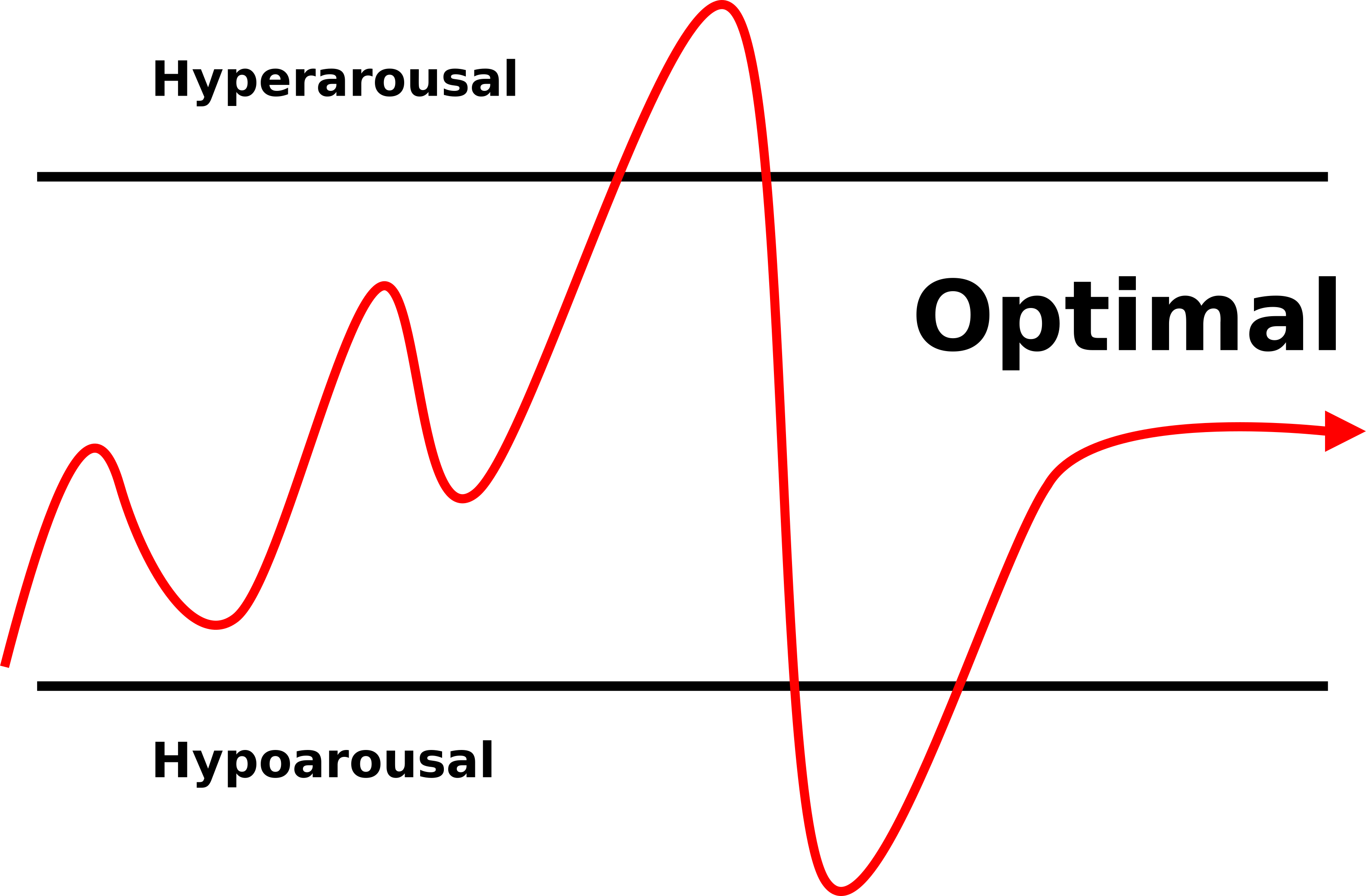
- Learn about your Window of Tolerance
- Calm yourself with this powerful breathing technique
- Learn about your Brain’s Threat System
- What is Mindfulness?
- Learn about your Brain’s 3 Emotion Regulation Systems
- Understanding the Physiology of Self-Criticism
- Access free self-help resources here






















Appointment Enquiries

Online Psychology Services, Sydney & Australia-wide